Majestic Kanchenjunga Trekking
Nepal
24 Days
Hard
Trekking
5143m/16873ft
Mar- Dec
Hotel and Lodge twin sharing bed basis during the Trekking.
All meals ( Lunch , Dinner and Breakfast) during the Trekking.
Kathmandu
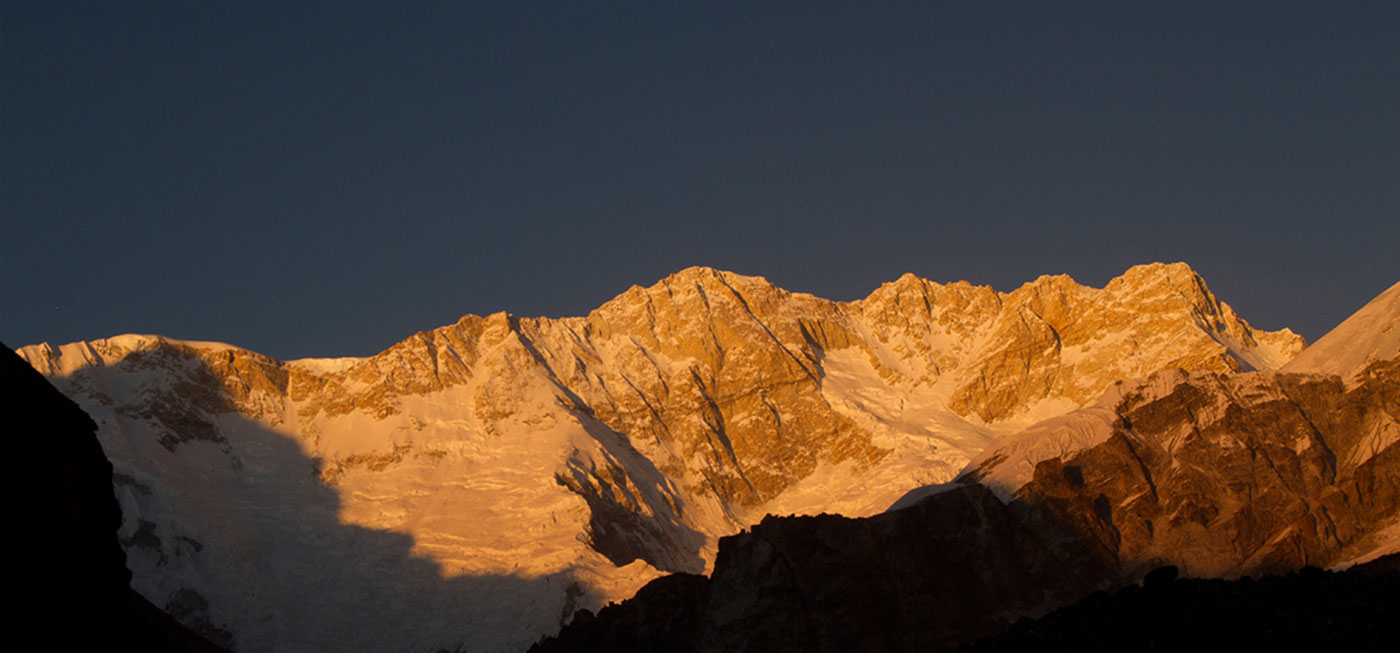
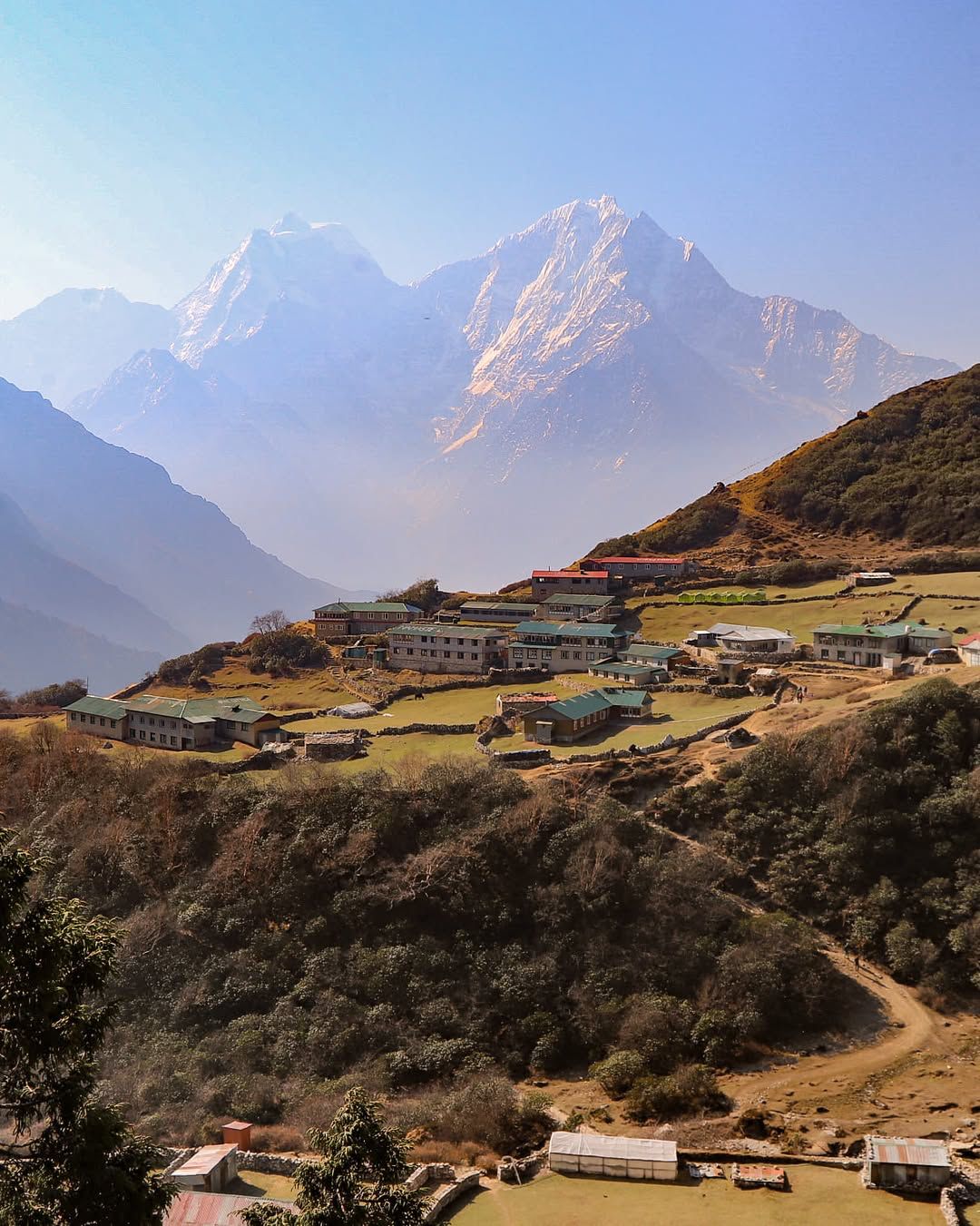
 Scenic flight to Suketar with stunning Himalayan viewsTrek through remote Limbu, Rai, and Tibetan-influenced villagesWalk along rhododendron forests, deep valleys, and glacier morainesExplore Yalung Glacier and Yalung Base CampCross high passes including Sele La with panoramic snow-peak viewsReach Kanchenjunga North Base Camp (Pangpema) at 5143mWitness dramatic views of Kanchenjunga, Jannu, and massive glaciersExperience peaceful alpine settlements like Ghunsa, Kambachen, and LhonakEnjoy pristine wilderness inside Kanchenjunga Conservation AreaComplete one of Nepal’s longest, most rewarding Himalayan expeditions
 Transportation to trekking starting point and from ending pointTrekking Information Management System Fee (TIMS Fee)National park Conservation FeeCamping and lodge trek with all meals (breakfast, lunch, dinner) and accommodation in tea house lodge.Services of English speaking trekking guide and porter (one porter for two people and the maximum weight carry by one porter is total 25kg)Accommodation, meals, insurance, equipment and allowance of guide and porter.Sleeping bag and down jacket if necessary.All applicable government taxes and service charges.
 Any accommodation and meals in KathmanduAny sightseeing tour in Kathmandu.Any international and domestic airfareYour personal travel insurance and medical.Bottled drinks (mineral water, any cold drinks, and alcoholic drinks).Expenses of personal nature such as tips for guide, porter, and driver, laundry, bar bill, telephone calls etc.Liability for expenses against sickness, flight cancellation, road blockage, accidents, and other occurrence, beyond our control.Nepal visa fee.Any other optional services not mentioned above as included.
1300m/4264ft
Hotel
Breakfast/Dinner
1300m/4264ft
Hotel
Lunch, Dinner, Breakfast
2265m/7431ft
Hotel / Lodge
Lunch, Dinner, Breakfast
2120m/6955ft
Hotel / Lodge
Lunch, Dinner, Breakfast
1785m/5856ft
Hotel / Lodge
Lunch, Dinner, Breakfast
2080m/6824ft
Hotel / Lodge
Lunch, Dinner, Breakfast
2995m/9826ft
Hotel / Lodge
Lunch, Dinner, Breakfast
3870m/12696ft
Hotel / Lodge
Lunch, Dinner, Breakfast
3870m/12696ft
Hotel / Lodge
Lunch, Dinner, Breakfast
4580m/15026ft
Hotel / Lodge
Lunch, Dinner, Breakfast
4500m/14764ft
Hotel / Lodge
Lunch, Dinner, Breakfast
4290m/ 14074ft
Hotel / Lodge
Lunch, Dinner, Breakfast
3595/11794
Hotel / Lodge
Lunch, Dinner, Breakfast
4050m/13287ft
Hotel / Lodge
Lunch, Dinner, Breakfast
4780m/15682ft
Hotel / Lodge
Lunch, Dinner, Breakfast
5143/16873ft
Hotel / Lodge
Lunch, Dinner, Breakfast
4780m/15682ft
Hotel / Lodge
Lunch, Dinner, Breakfast
3475m/11400ft
Hotel / Lodge
Lunch, Dinner, Breakfast
2308m/7572ft
Hotel / Lodge
Lunch, Dinner, Breakfast
1270m/4166ft
Hotel / Lodge
Lunch, Dinner, Breakfast
1549/5082ft
Hotel / Lodge
Lunch, Dinner, Breakfast
2420m/7938ft
Hotel / Lodge
Lunch, Dinner, Breakfast
1300m/4264ft
Hotel
Lunch, Dinner, Breakfast
 Thermal base layers (top & bottom)Fleece jacket or mid-layerInsulated down jacket (very warm)Waterproof shell jacket (Gore-Tex recommended)Waterproof trekking pantsLightweight trekking trousersWarm trekking socks (4–6 pairs)Thermal socks for high altitudeQuick-dry t-shirts (3–4)Warm hat and beanieNeck gaiter or buffGloves: lightweight + insulated pairSleeping clothes
High-quality trekking boots (waterproof)Camp shoes (sandals or light sneakers)Gaiters (for snow sections)Sun hatUV-protected sunglassesHeadlamp with extra batteriesTrekking polesBuff/scarf
Personal medicationsSunscreen (SPF 50+)Lip balm (SPF 30+)Toiletries (eco-friendly)Fast-dry towelHand sanitizerWet wipesWater purification tablets or filterReusable water bottles (2 liters minimum)First-aid kit
Sleeping bag (-20°C recommended)Power bank (high capacity)Camera or phone for photosExtra memory cardsLightweight backpack rain coverSnacks/energy barsMap or offline GPS appCash (ATMs not available on trail)Travel documents & permitsUSD 2750/Person
Make a Booking for
Original Price: USD 0
Number of Travelers: 0
Duration: 0 Days
Discount: USD 0
Total: USD 0
Due: USD 0
Current Payable: USD 0
Make an Inquiry for
Majestic Kanchenjunga Trekking